
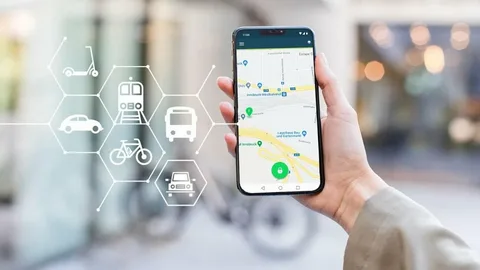
Public transportation agencies are introducing new digital services to improve the travel experience for millions of passengers. Mobile ticketing, real-time tracking, and contactless payment systems are becoming standard features across buses, trains, and metro networks.
Many cities have launched mobile applications that allow commuters to plan routes, check arrival times, and receive service alerts instantly. These tools help passengers avoid delays and make informed travel decisions. Digital payment options also reduce waiting times by eliminating the need to purchase paper tickets.
Transportation operators are using data analytics to optimize schedules based on passenger demand. During peak hours, additional vehicles can be deployed to reduce overcrowding, while quieter periods allow agencies to operate more efficiently and lower operating costs.
Accessibility remains an important priority. Modern digital platforms increasingly include features designed for passengers with disabilities, including voice navigation, larger text options, and information about elevator availability at stations.
Environmental benefits are another major advantage. Improved public transportation encourages more people to leave private vehicles at home, reducing traffic congestion and lowering greenhouse gas emissions. Many cities are also investing in electric buses and energy-efficient rail systems to support sustainability goals.
Although implementing these technologies requires significant investment, transportation experts believe digital modernization will continue to improve efficiency, passenger satisfaction, and environmental performance in the years ahead.